Blog
Data protection, or a brake on financial inclusion and digital security?
uFlow · · · 2 min read
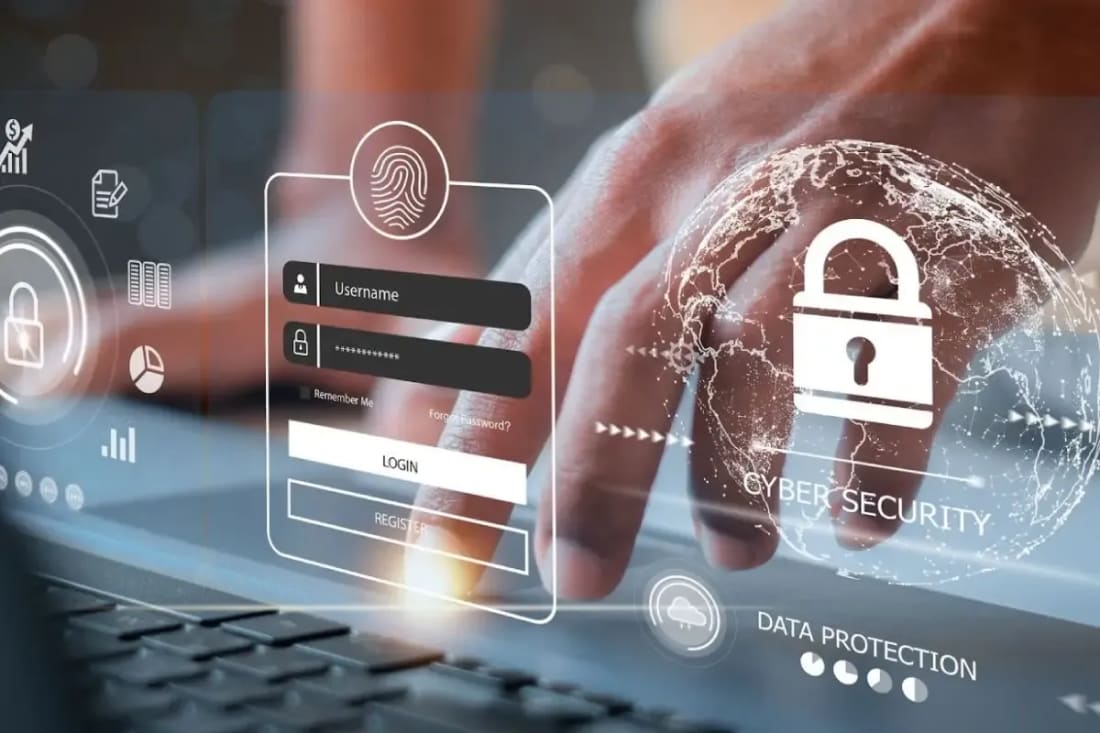
A necessary debate on whether privacy regulation protects users or holds back innovation, security, and financial inclusion in the fintech ecosystem.
A necessary debate for the digital era
The recent penalty imposed on Mercado Libre Colombia over its use of biometric data by Colombia's Superintendency of Industry and Commerce (SIC) revived a growing dilemma in the fintech ecosystem: how far does privacy regulation protect the user, and at what point does it start to obstruct innovation, security, and financial inclusion?
In a context where digital fraud keeps growing — in Colombia alone, 40% of consumers reported attempted fraud at the end of 2023 — having robust authentication methods such as biometrics is not merely convenient: it is essential.
Biometrics and security: more than technology, a necessity
Traditional authentication methods such as passwords or SMS codes have proven fragile against threats like phishing and SIM swapping. Against that backdrop, facial recognition and other forms of biometrics offer far stronger security, especially for financial transactions.
For banks, fintechs, and lending platforms, identity verification is the first link in the chain of trust with their users. Restricting its use without offering workable alternatives puts at risk not only operations, but also the credibility of the digital channel itself.
The risk of over-regulating
User privacy is, of course, sacred. But protecting it should not mean freezing innovation. Banning mandatory biometrics without setting clear standards or opening space for dialogue can backfire: it limits access to financial products and leaves room for informal, dangerous practices such as "gota a gota" lending.
Regulatory decisions have to balance rights and realities, recognizing that technology applied well does not violate protection, it delivers it.
Transparency in automation: the value of a traceable decision
In this scenario, the uFlow approach makes a critical difference. Our decision engine not only automates credit assessment, it also makes every step of the process auditable.
This means that when an application is declined, the operator reviewing the case does not start from scratch or run a manual analysis: they can see clearly and in detail the path that decision followed, which rules were applied, and why. That supports decision traceability, improves customer service, and prevents unnecessary disputes.
Unlike "black box" models, where the logic is neither visible nor understandable to the business, with uFlow every decision is interpretable, explainable, and documentable. That improves operating efficiency and also gives peace of mind to the risk, compliance, and legal teams.
The answer lies in dialogue and standards
The challenge is not choosing between privacy and security, but building an ecosystem where both coexist. That requires:
– Clear standards for the responsible use of biometrics. – Consent mechanisms that are simple, informed, and revocable. – Transparent, auditable platforms, such as the uFlow decision engine. – Regulation built in dialogue with the players in the digital ecosystem.
At uFlow, we transform how organizations make decisions
From uFlow, with a strong footprint across Latin America, we support financial institutions, fintechs, credit unions, and startups in their digital transformation. Through our fully cloud-based, NoCode, serverless decision engine, we help automate, audit, and scale credit assessment processes in a way that is simple, secure, and powerful.
Our mission is clear: to drive growth in the financial sector by democratizing access to quality technology. Because we believe financial inclusion and security are not opposing goals, but two sides of the same transformation.